
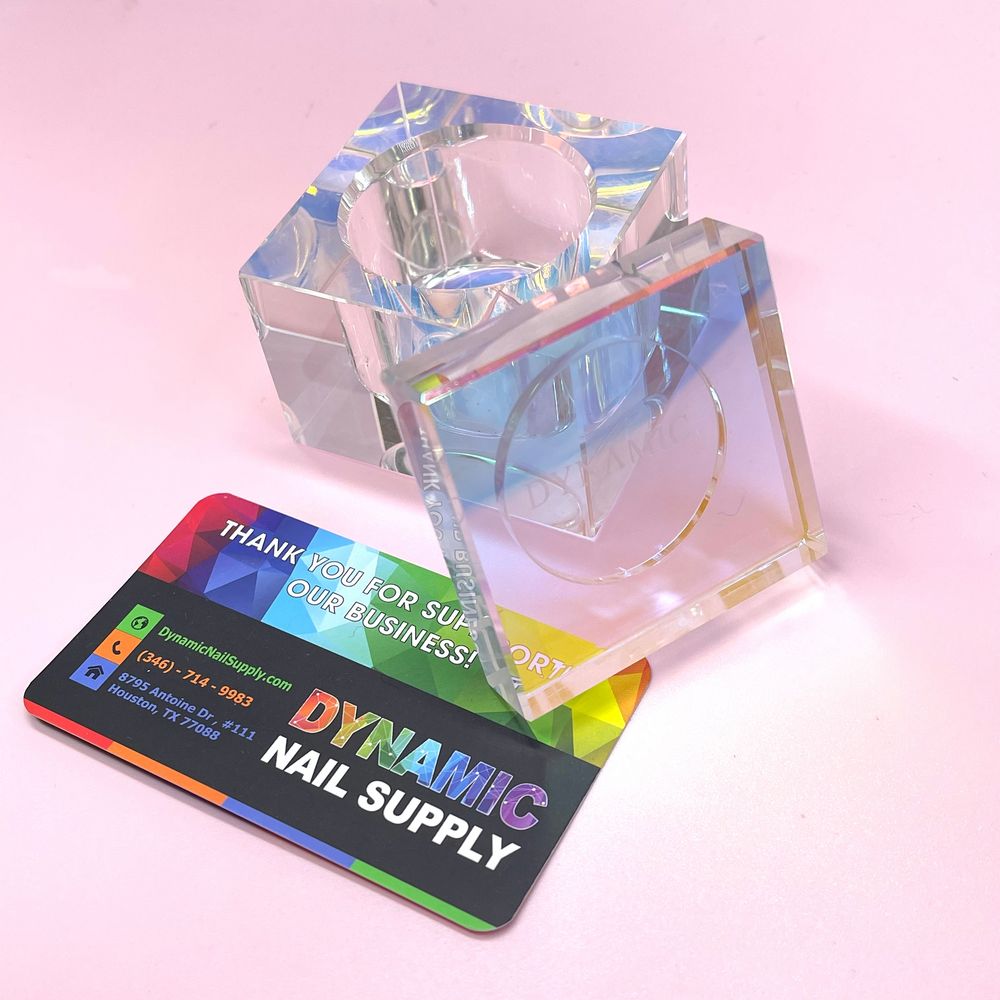
Starting with acrylic nails or liquid monomer can feel technical: small tools, strong liquids, and precise mixing. A compact, stable dappen dish simplifies the setup and keeps your workspace tidy. This guide explains what a square glass dappen dish is, defines the terms you’ll see, and walks you through safe, step-by-step use so you can work confidently.
Before you begin, if you want a simple, clear option for holding monomer and small supplies, consider this glass dappen dish for your starter kit—its defined center cup and crystal glass construction make it easy to measure and manage liquids.
What is a dappen dish and why choose a square glass version?
A dappen dish is a small container used by nail technicians to hold liquid monomer, pigments, or tiny tools during acrylic application. The square glass design brings a few practical advantages:
- Stable footprint: The 4.5 x 4.5 inch base resists tipping better than small round cups.
- Clear visibility: Crystal glass shows liquid level and color without distortion.
- Defined mixing area: A 2.0-inch center cup concentrates the monomer for controlled dipping.
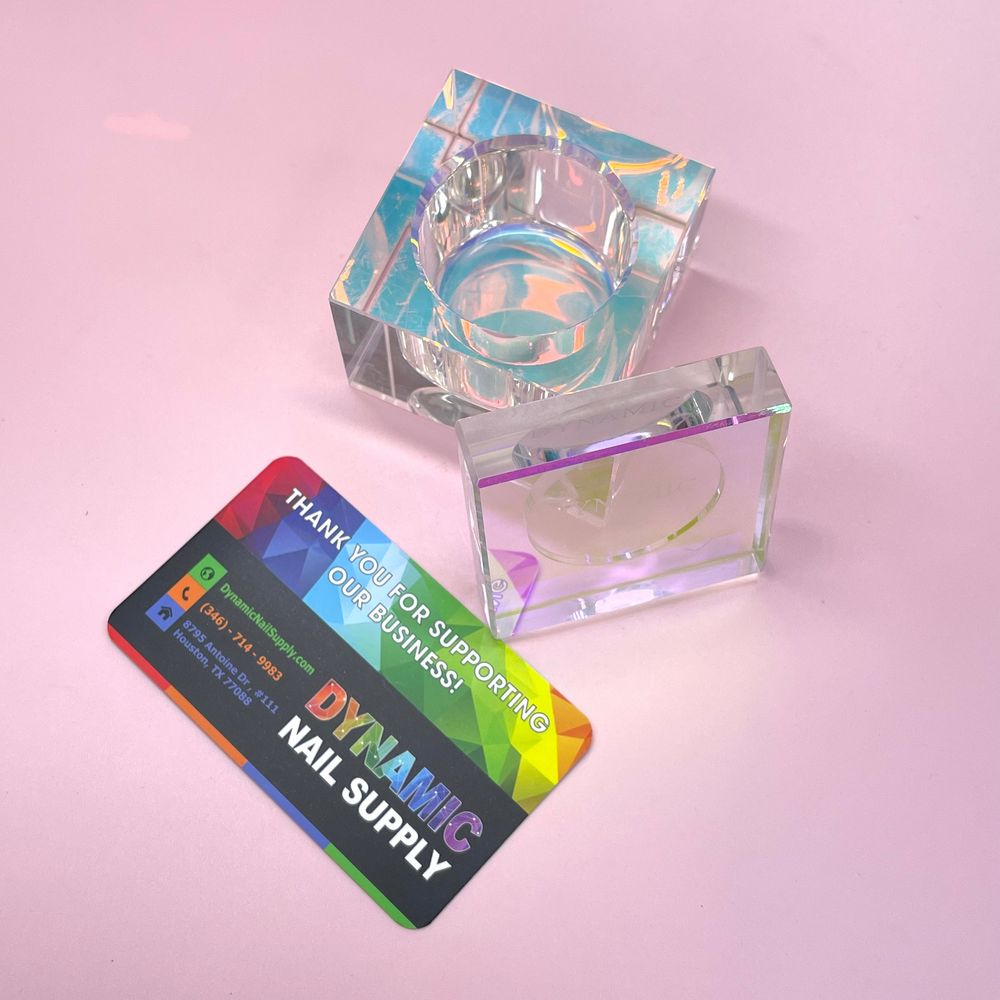
Key terms explained (quick and practical)
- Monomer: The liquid component used with acrylic powder to form beads for sculpting. Keep it contained in the dappen dish to avoid spills.
- Center cup size: Refers to the inner well where you place the liquid; 2.0 inches is roomy enough for a brush dip without sloshing.
- Crystal glass: Clear, non-porous material that’s easy to clean and doesn’t react with monomer.
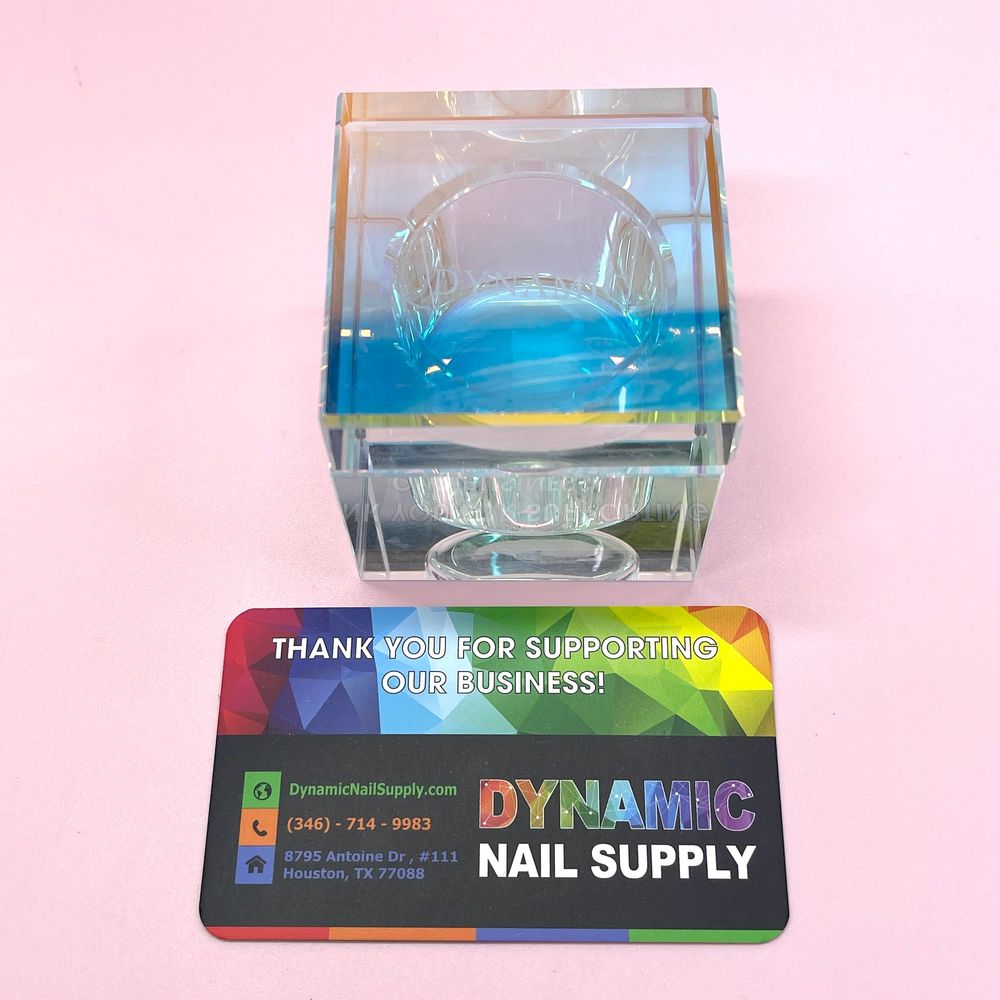
Step-by-step: How to use your square glass dappen dish
- Prepare your station: Work on a flat, level surface. Lay down a disposable mat or towel to catch drips and protect the table.
- Pour the monomer: Measure a modest amount into the 2.0-inch center cup — enough for the set of nails you’re doing. Smaller pours reduce waste and evaporation.
- Mix and dip: Shape a bead of acrylic powder on your application surface, then dip your brush into the monomer in the center cup. The clear glass helps you see the liquid amount and brush saturation.
- Work steadily: The square base gives you room to rest your hand. Maintain consistent brush loading and avoid over-dipping to prevent soggy beads.
- Refresh as needed: Replace the monomer after prolonged use or when it becomes contaminated; glass makes it easy to inspect the liquid’s clarity.
Practical usage tips from the first manicure to ongoing practice
- Start small: For beginners, pour just enough monomer for two to three nails. This minimizes waste and helps you learn bead consistency.
- Keep the brush angle shallow: A shallower angle when dipping preserves the monomer’s surface tension and prevents excess liquid from flooding the brush.
- Use the square edges: Rest tools or your wrist on the flat sides to steady fine movements while sculpting.
- Limit exposure: Open monomer evaporates and hardens with time; keep the bottle capped when not in use and avoid leaving liquid in the dish for long periods.
Key features in context
This square glass dish measures 4.5 inches by 4.5 inches and stands 2.0 inches high, with a central well sized at 2.0 inches. Those specific dimensions make it a practical benchtop tool: large enough to be stable, small enough not to crowd your work area. Crystal glass is simple to wipe clean between sessions, and the central cup helps contain splashes while you work.
Care and safety notes
- Cleaning: Wipe or rinse the dish after each session using an appropriate cleaner for acrylic residues. Glass is non-porous — it won’t absorb monomer — but dried acrylic must be removed mechanically or with a safe solvent.
- Ventilation: Use in a well-ventilated area. Monomer fumes can be strong; good airflow reduces inhalation and odor.
- Storage: Store the dish in a padded drawer or cabinet to avoid chips or cracks. Glass can fracture if dropped.
- Avoid heat: Keep away from direct heat sources. Sudden temperature changes can stress glass.
Who benefits most from this tool?
This dish is ideal for beginners learning acrylic techniques, home nail hobbyists who want a tidy setup, and salon technicians who prefer a clear, stable mixing well. Its simple size and central cup make it especially helpful for anyone practicing bead formation and brush control.
Final notes and next steps
For a beginner, the right dappen dish removes one variable from the learning curve: containment. The square crystal glass design gives visibility, stability, and a clear center well to practice with. If you’re building a starter kit, pair the dish with a quality brush, a small bottle of monomer, and practice acrylic powder. Dynamic Nail Supply stocks this type of accessory and it’s commonly priced around $15.00, though prices may change.
With the basics in place — clear terminology, a consistent workflow, and simple safety habits — you’ll find the dappen dish becomes a small but essential part of your nail toolkit.